
Overnight Care Services
Overnight Care for peace of mind

Calm, reliable night-time care that helps your loved ones feel safe, settled, and supported throughout the night. Our experienced overnight carers offer calm reassurance, practical help, and continuity when it matters most.
What is Overnight Care?
Overnight care involves a professional carer staying in the home with your loved one during the night. There are two types of overnight care:
- Sleeping night care – the carer sleeps in a spare room and is available if needed
- Waking night care – the carer remains awake and alert all night, offering continuous support
Care usually covers 10pm–7am, but timings can be adjusted. Support may include personal care at home, toileting, mobility assistance, medication reminders, monitoring, and reassurance — while also giving family carers vital rest.
Compassionate carers matched to your needs
We take time to understand routines, personalities, and preferences, only introducing carers who are the right fit.
Fully vetted and experienced
Every carer on our platform is interviewed, DBS-checked, referenced, and verified.
Flexible arrangements
Choose sleeping or waking night care, with one-off, short-term, or ongoing support.
Consistent care
Where possible, the same trusted carer provides ongoing overnight support.
Transparent pricing
Overnight care ranges from £155 to £200 per night (10 pm until 7 am), depending on whether you choose waking or sleeping night care.
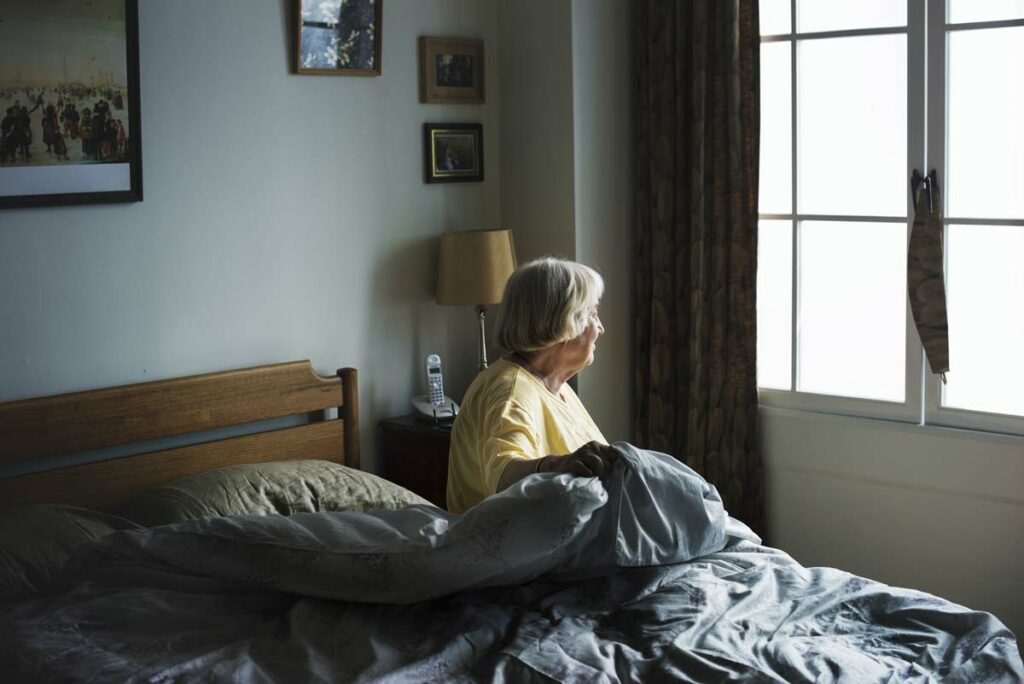
Who is Overnight Care for?
Overnight care is the ideal option for:
- Older adults living at home who may feel anxious, lonely, or unsafe during the night.
- People with dementia, sundowning, or night time confusion and wandering who may benefit from specialist dementia care at home.
- Individuals with complex medical conditions requiring monitoring or medication.
- Those recovering after hospital or surgery, including people receiving stroke recovery care at home, when mobility assistance is needed.
- People with mobility or continence difficulties.
- Carers who need respite care and light relief from caring for loved ones.
- Couples wishing to stay together at home while receiving nighttime support.
Every situation is unique, and we will tailor a care plan to match your exact circumstances and the level of support required.
Overnight Care vs Other Care Options
Understanding your options can help you choose the right level of support.
Overnight care
Best for:
- People who are mostly independent during the day and may already receive hourly care but need additional support at night
Pros:
- Reassurance and safety overnight
- Stay at home in familiar surroundings
- More affordable than full-time care
Considerations:
- Daytime support may still be needed separately
Live-in care
Best for:
- People needing ongoing day-and-night support.
Pros:
- One-to-one care
- Full continuity
- No relocation required
Considerations:
- Higher cost than hourly care
Care home
Best for:
- When home care is no longer suitable often due to severe mobility issues.
Pros:
- Staff on-site 24/7
Considerations:
- Moving environment
- Less personalised care
Specialist Overnight Care Services
Depending on your needs we can match you with carers experienced in:
- Dementia and Alzheimer’s
- Palliative and end-of-life care
- Post-operative and rehabilitation care
- Parkinson’s care
- Stroke recovery
- MS and neurological conditions
We work closely with families, GPs, hospital teams, and local health professionals to ensure safe, consistent care tailored to the individual.
The TrustonTap Approach
TrustonTap connects you directly with vetted, experienced carers across Oxfordshire, Buckinghamshire and Berkshire.
We take time to understand your needs and only introduce carers who match your loved one’s lifestyle, personality, and care requirements. Our support team stays in touch to ensure care runs smoothly and can make adjustments as needs change.
How Overnight Care Works
1. Tell us about your needs
Call 0808 278 1112 or request a call-back.
2. We find suitable carers
Within 24–48 hours, we’ll share profiles that match your preferences.
3. Meet your carer
You can meet or video call before care begins to ensure a perfect fit.
4. Start your care
Your chosen carer moves in and provides continuous, reliable support.

Funding options
- NHS Continuing Healthcare – may cover full costs if eligible
- Local authority funding – assessed based on needs and means
- Attendance Allowance – benefit for over 65s needing care
- Personal Independence Payment (PIP)
- Self-funding – pay directly
Our team can guide you through available options and help you access any funding you’re entitled to.
Ready to arrange Overnight Care?
Every family’s situation is unique. Speak to our friendly team for personalised guidance and a no-obligation consultation.
We’re here to answer questions and arrange a free care assessment.
What families say
Common Questions about Overnight Care
- How quickly can overnight care start?
-
With an understanding of your needs, we can arrange overnight care within 48 hours, sometimes less for more urgent situations.
- What is the difference between sleeping and waking night care?
-
A sleeping night carer sleeps in the home with your loved one and can be woken if help is needed. It’s suited to people who are generally settled at night but may need some assistance.
A waking night carer stays awake all night to provide continuous monitoring and immediate support. This option is ideal for people living with dementia or who wake frequently or have complex health needs.
- What does an overnight carer do during the night?
-
Overnight tasks can include helping your loved one into bed, administering medication, assisting with toileting, repositioning, offering reassurance and companionship, monitoring symptoms, and preparing breakfast in the morning.
- Do I need a spare room for an overnight carer?
-
For sleeping nights, a spare bedroom is required because the carer sleeps during the night. For waking nights, a spare room isn’t always necessary as the carer remains awake.
- Is overnight care more affordable than a care home?
-
Overnight care is often cheaper than a care home because you only pay for the night-time hours you need, and sleeping nights are more affordable than waking nights. For couples, overnight care can be particularly cost-effective when compared to paying for two care home beds.
- Can I meet the carer before care begins?
-
Absolutely. You can meet or video call your carer before they start to ensure the right match.