
Dementia Care Services
Dementia care that keeps them safe and comfortable
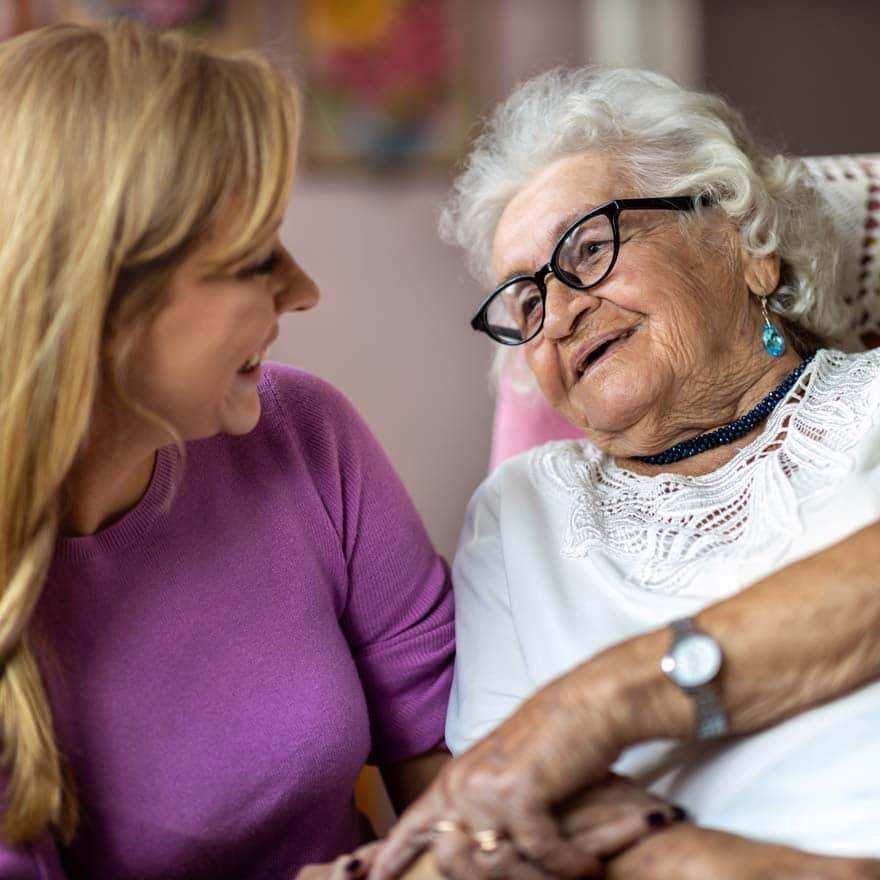
Caring for someone with dementia takes patience, understanding, and specialist knowledge. Our trained carers provide person-centred dementia support helping your loved one maintain routines, reduce confusion, and stay in familiar surroundings.
- Experienced dementia carers
- Patient, person-centred approach
- Same carer builds trust and familiarity
- Support at any stage – early to advanced
Talk to our dementia care team – call
0808 278 1112 or
Find care now
Why specialist dementia care matters
Dementia changes how someone thinks, communicates, and sees the world. Carers need to be able to:
- Reduce confusion and anxiety
- Manage changes in behaviour with patience
- Keep routines consistent and reassuring
- Communicate clearly when memory fades
- Create a safe environment that feels familiar
If you’re new to supporting someone with dementia, you may find it helpful to learn more about the different types of dementia and how they affect behaviour and communication.
Dementia services we provide

Personal care
Gentle support with washing, dressing, toileting, and medication. Maintaining dignity while adapting to changing abilities.
Companionship and engagement
Meaningful activities, conversation, and reminiscence through companionship care, helping keep minds active and reduce isolation.

Daily routine support
Consistent meal times, familiar activities, and structured days. Routines reduce anxiety and confusion.

Safety and monitoring
Preventing wandering, managing risks, and ensuring a safe home environment. Discrete supervision that preserves independence.

Behavioural support
Calm responses to agitation, aggression, or sundowning. You can also read our guide on how to manage challenging behaviour with dementia.

Respite for families
Regular breaks so you can rest, work, or spend time with other family. Knowing they're with someone who understands dementia.
Support at every stage
Families are often unsure about the difference between Alzheimer’s and dementia, so our guide explaining the difference between dementia and Alzheimer’s disease can help clarify this.
Early stage
Light support with daily tasks, gentle reminders, and companionship. Helping maintain independence and confidence.
Moderate stage
More hands-on personal care, structured routines, and behaviour management. Adapting as abilities change.
Advanced stage
Round-the-clock support including overnight care, full personal care, and comfort-focused care.

Specialist training
Carers trained in how dementia affects behaviour and communication, providing calm, person-centred support.

Consistency builds trust
Same carer every visit, helping reduce confusion and anxiety while building familiar, trusting relationships.

Family reassurance
Regular updates give you peace of mind, with clear communication about routines, changes and wellbeing.

Flexible as needs change
Care adapts as dementia progresses, from hourly care to full live-in care, without changing providers.
Support for family carers
Caring for someone with dementia is exhausting. You need breaks, and you need to know they’re safe. Our respite care gives you:
- Time to rest and recharge
- Freedom to attend appointments or work
- Peace of mind they’re with trained carers
- Support from people who understand what you’re going through
If you’re new to supporting a loved one, our guide on how to look after someone with dementia offers practical advice for everyday care.
Whether it’s a few hours a week or longer breaks, respite care helps you care for yourself so you can keep caring for them.

How to arrange dementia care
1. Talk to us about their needs
Call 0808 278 1112 . We’ll ask about their routines, behaviours, diagnosis stage, and what support would help most.
2. We match you with specialist carers
Within 24-48 hours, you’ll receive profiles of our carers. Choose who feels right.
3. Meet and get comfortable
Arrange a meeting so they can get to know each other. It’s important they feel comfortable together.
4. Care begins
Support starts with the same carer each time. We’ll check in regularly and adjust care as needed.

Dementia care at home vs other care options
Hourly dementia care at home
Best for:
People in the early–moderate stages of dementia who feel most comfortable staying in familiar surroundings.
Pros:
- Care delivered at home, reducing confusion and anxiety
- Flexible visits that fit daily routines
- More cost-effective than full-time care
- Helps maintain independence and confidence
Considerations:
- Not suitable when someone needs continuous or overnight supervision
Live-in dementia care
Best for:
People with moderate–advanced dementia, those who may wander, or anyone needing ongoing reassurance and night-time support.
Pros:
- One-to-one, consistent care from someone they know
- Staying at home avoids the stress of moving
- Personalised support that adapts as needs change
- Couples can remain living together
Considerations:
- A spare room is needed for the live-in carer
- Families must feel comfortable with someone living in the home
Residential care home
Best for:
People whose needs have become difficult to manage at home but who do not require complex nursing support.
Pros:
- Staff available 24/7
- Meals, activities, and housekeeping included
- Opportunities for social interaction
Considerations:
- Moving away from home can be unsettling
- Less personalised care than one-to-one support
- New surroundings may increase confusion
Dementia nursing home
Best for:
People with dementia who also have significant medical or clinical needs requiring nursing oversight.
Pros:
- Registered nurses on-site day and night
- Suitable for complex health needs
- Access to specialist clinical support
Considerations:
- Usually the highest-cost option
- Can feel more institutional
- Less consistency with the same carers
Funding options
- NHS Continuing Healthcare – may cover full costs if eligible
- Local authority funding – assessed based on needs and means
- Attendance Allowance – benefit for over 65s needing care
- Personal Independence Payment (PIP)
- Self-funding – pay directly
We’ll talk you through what’s available and help you access any funding you’re entitled to.
Talk to our dementia care specialists
Every dementia journey is different. We’ll listen to your situation and find carers who understand your loved one’s specific needs.
We’re here to answer questions and arrange a free care assessment.
What families say
Common questions about dementia care
- How do I know if they need dementia care?
-
Signs include: struggling with daily tasks they used to manage, forgetting familiar people or places, confusion about time, increased anxiety or agitation, or safety concerns like leaving the stove on. If you’re worried, speak to their GP. We can also talk through what you’re seeing and advise on next steps.
- What if they refuse help?
-
This is common. We introduce carers gradually, as building trust takes time. Our carers are experienced in gentle approaches that don’t feel threatening.
- Will they get the same carer?
-
Yes. Consistency is crucial for dementia care. Seeing the same face reduces confusion and builds trust. We only change carers if absolutely necessary and always talk to you first.
- Can carers manage aggressive behaviour?
-
Our carers understand that aggression often comes from fear, confusion, or frustration. They understand that a person-centred approaches addresses underlying causes rather than just managing symptoms.
- What happens as dementia progresses?
-
Care increases with their needs. You might start with a few hours of companionship and gradually move to full personal care or live-in support. We adapt the care plan as dementia progresses – you don’t need to find new providers.
- How do you communicate with families?
-
We provide regular updates on how they’re doing – what’s working, any changes in behaviour or abilities, and any concerns. You can contact us anytime, and we encourage open communication between families and carers.
- How can you tell the difference between normal ageing and dementia?
-
It’s normal to forget things occasionally as we get older, such as misplacing keys or forgetting a name. Dementia is different because symptoms become more frequent and start to affect everyday life, including memory, communication, and decision-making.
If you’re unsure whether changes are part of normal ageing or something more serious, our guide on the differences between normal ageing and dementia explains the key warning signs to look for.
- What are the early symptoms of dementia to look out for?
-
Early symptoms of dementia can include memory loss, confusion about time or place, difficulty finding the right words, mood changes, and challenges with everyday tasks. These symptoms often develop gradually and may become more noticeable over time.
If you’re concerned about possible signs, our guide on recognising dementia symptoms and what to look out for explains the most common warning signs and when it may be time to seek medical advice.
- What is dementia?
-
Dementia is a general term used to describe a group of conditions that affect memory, thinking, behaviour, and the ability to carry out everyday activities. It is caused by damage to brain cells and tends to worsen gradually over time. The most common type of dementia is Alzheimer’s disease, but there are several other forms that can affect people differently.
If you’d like to understand more about the causes, symptoms, and different types, our guide explaining what dementia is and how it affects the brain provides a helpful overview.
- What tips can help when caring for someone with dementia?
-
Caring for someone with dementia can be challenging, especially as memory loss and behavioural changes progress. Simple approaches such as keeping routines consistent, communicating clearly, and creating a calm environment can make daily life easier for both the person living with dementia and their carers.
Our practical guide on tips for caring for someone with dementia shares helpful advice from experienced carers to support you in everyday situations.
- How should you communicate with someone who has dementia?
-
Communicating with someone living with dementia can become more challenging as memory and language skills change. Speaking calmly, using simple sentences, maintaining eye contact, and giving the person time to respond can all help make conversations easier and less stressful.
Our guide on how to communicate with someone living with dementia offers practical tips and strategies to help families and carers maintain meaningful conversations and connections.
- What are the stages of dementia?
-
Dementia usually progresses gradually and is often described in three main stages: early, middle, and late stage. In the early stage, symptoms may include mild memory problems or confusion. As dementia progresses, people may need more support with daily activities, communication, and personal care. In the later stages, individuals often require full-time care and assistance.
If you’d like to understand how symptoms typically change over time, our guide explaining the different stages of dementia and what to expect provides a detailed overview.
- Can dementia be prevented or slowed down?
-
While there is currently no guaranteed way to prevent dementia, research suggests that certain lifestyle choices may help reduce the risk or slow the progression of symptoms. Staying physically active, maintaining social connections, eating a balanced diet, and managing conditions such as high blood pressure can all support long-term brain health.
Our guide on steps to slow down and help prevent dementia explores practical ways to support brain health and reduce risk factors.