
End of life Care Services
End of Life Care
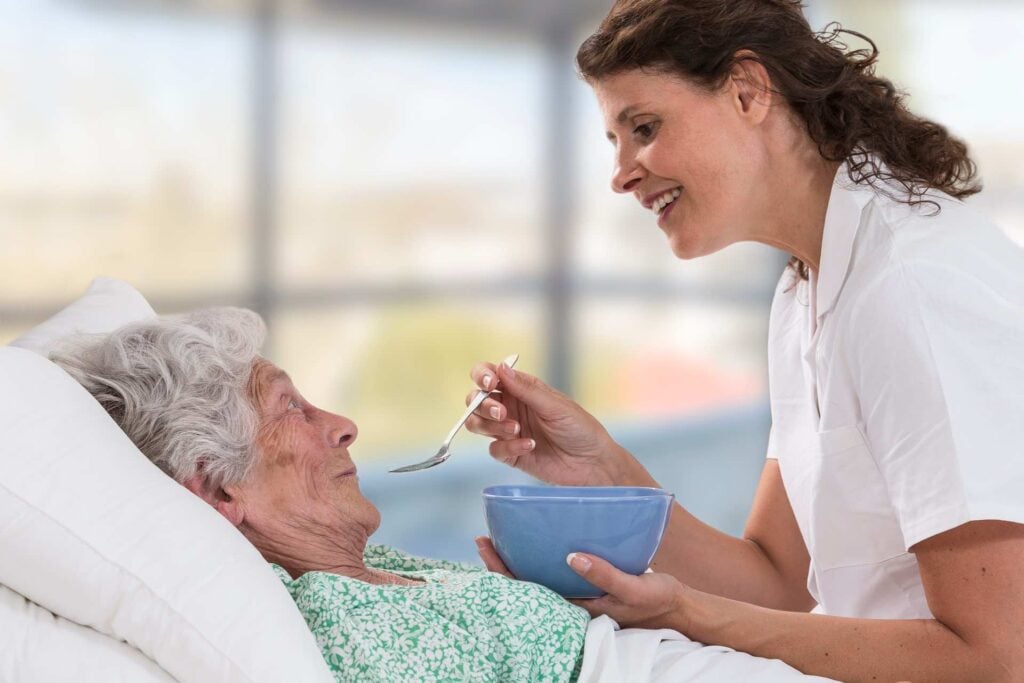
Facing the final stages of life is deeply personal. Our specialist carers provide compassionate support that helps your loved one remain comfortable and calm in their own home. We focus on dignity, choice, and meaningful moments for both the individual person and their family.
Why specialist End of Life Care matters
End-of-life, or palliative care, is designed to help people live as well as possible with the time they have left. It’s important to place a focus on dying with dignity, with specialist carers that are trained to:
- Manage pain and distressing symptoms with sensitivity
- Offer physiological, social, and emotional support
- Keep routines and preferences central
- Provide consistent care in familiar surroundings
- Support the whole family alongside their loved ones.
- Reduce confusion and anxiety
- Respond calmly to changes in condition or behaviour
The right care can make a profound difference – for the person receiving support and for those around them.
Palliative care services we provide

Personal & comfort care
Support with washing, dressing, toileting, medication, positioning, and pressure care, always preserving comfort and dignity.

Pain & symptom management
Working with healthcare professionals to help manage pain, breathlessness, nausea, and other symptoms.

Emotional support
A calm, reassuring presence offering conversation, listening, and support for emotional, spiritual, or faith-based needs.

Practical help
Help with meals, nutrition, light housekeeping, and errands, so families can focus on time together.

Overnight care
Overnight support to monitor comfort and respond quickly, allowing families to rest with confidence.

Respite for families
Planned breaks for family carers, with peace of mind knowing a trained carer is supporting your loved one.
Support through every stage
Early planning
Light assistance with daily tasks, gentle reminders, and companionship care. Carers help maintain independence while focusing on comfort and quality of life.
Mid stage
Increased hands-on personal care, structured routines, and more frequent symptom support, particularly for individuals receiving dementia care at home. Emotional reassurance and guidance as abilities change.
Final stage
Comfort-focused care prioritising peace and dignity. Carers work closely with health professionals to manage pain and stay by your loved one’s side so they are never alone.

Specialist training
Our carers understand the complexities of end-of-life care and are trained to manage symptoms, communicate sensitively, and respect personal wishes.

Consistency builds trust
Seeing the same carer every visit reduces anxiety and builds familiarity. Your loved one feels safe with a carer they know and trust.

Family reassurance
We provide regular updates and encourage open communication. Families are involved in care decisions and know they can reach us anytime.

Flexible support
Care can quickly increase from flexible hourly care to live-in care, ensuring consistent support when needs increase. Because palliative needs can change unpredictably, our arrangements adapt without disrupting your loved one’s routine.
Support for family carers
Caring for someone nearing the end of life is emotionally and physically demanding. Our respite services give you:
- Time to rest and recharge
- Freedom to attend appointments or work
- Peace of mind they’re with trained carers
- Understanding and guidance
Looking after yourself, as well as your loved one, is essential. Taking breaks allows you to remain present and emotionally available during a challenging time.

How to arrange end-of-life care
1. Talk to us about their needs
Call 0808 278 1112 . We’ll ask about your loved one’s condition, prognosis, routines, and wishes to understand what support would help most.
2. We match you with specialist carers
Within 24 – 48 hours, you’ll receive profiles of our carers with palliative experience. You choose who feels right.
3. Meet and get comfortable
Arrange a phone call or home visit to make sure everyone is comfortable. Building a rapport early creates trust and reassurance.
4. Care begins
Your chosen carer provides continuous compassionate support. We check in regularly and adjust care as needs evolve.

Funding options
- NHS Continuing Healthcare – may cover full costs if eligible
- Local authority funding – assessed based on needs and means
- Attendance Allowance – benefit for over 65s needing care
- Personal Independence Payment (PIP)
- Self-funding – pay directly
We’ll talk you through what’s available and help you access any funding you’re entitled to.
Speak to our end-of-life care specialists
Every situation is unique. We listen carefully and connect you with carers who understand your loved one’s specific needs and wishes.
We’re here to answer questions and arrange a free care assessment.
What families say
Common questions about end of life care
- How do I know when end-of-life care is needed?
-
End-of-life care is often recommended when a person has an advanced incurable illness, is very frail with existing conditions, or is at risk of dying from an acute crisis. Your GP or palliative team can advise.
If you see a rapid decline in the health of your loved one, increased discomfort, or difficulty with daily activities, it may be time to seek support.
- What is the difference between palliative care and end-of-life care?
-
Palliative care is an approach that aims to improve the quality of life for people living with a life-limiting illness. It includes managing pain and psychological support, and can start at any stage of an illness. End-of-life care is a type of palliative care provided when someone is thought to be in the last months or years of their life.
- Can my loved one stay at home?
-
Yes. Many people wish to remain in familiar surroundings at the end of their life, and we can help support this. Our carers work alongside community nurses and palliative teams to make home care safe and comfortable.
- Will we get the same carer every time?
-
Continuity is vital, and we strive to provide the same carer for each visit so your loved one feels secure and knows who is supporting them. We only change carers when it’s absolutely necessary, and always discuss this with you first.
- How do carers manage pain or symptoms?
-
Carers cannot always administer medication independently, but they can prompt or assist with prescribed medicines, monitor symptoms, and work with nurses to implement comfort measures. Our carers can also help with positioning and gentle movements to ease any discomfort.
- What support is available for families?
-
We provide emotional support, practical advice, and regular updates so you’re never left guessing what’s going on or how your loved one is feeling. End-of-life care from a trusted carer can give you some respite, letting you attend to other responsibilities knowing your loved one is in safe hands.
- How quickly can end-of-life care start?
-
Once we understand your situation, we can usually match you with suitable carers within 48 hours and arrange support quickly after that.